

| The general election for the Commonwealth of Virginia governor occurred on Tuesday, November 4, 2025. The Democratic nominee, Abigail Spanberger, ran on a pragmatic, bipartisan message. This means Spanberger focused on practical solutions instead of strict party politics; she focused on economic and public service issues rather than focusing on cultural conflicts in Virginia.
Spanberger defeated the Republican nominee, Winsome Earle-Sears, who was the Lieutenant Governor at the time. Spanberger won approximately 56.5% of the votes, while Earlie-Sears received about 43.6%. Spanberger winning this election is not just a victory for the Democratic Party, but a major step forward for women, specifically women in politics. Spanberger will begin her term as the first female Governor of the Commonwealth of Virginia on January 17, 2026. During her campaign, Spanberger targeted issues regarding healthcare affordability, housing, energy costs, and the concerns of Virginia’s federal workforce. Her focus specifically targeted the government shutdown and federal employee layoffs, which were especially relevant within Virginia. Spanberger’s experience in government and politics is impressive, such as her time as a former U.S. Representative, CIA case officer, and national security expert. Spanberger demonstrates the impact that women can have within political fields. The Democratic win demonstrates signs of unease toward the national Republican label from suburban voters of Virginia. Spanberger’s win flipped the governorship from Republican to Democrat, adding to the broader Democratic sweep within the offices of Virginia. Spanberger’s victory shows the shift towards a moderate political climate within Virginia, as national tensions remain high, and the divide between parties continues to widen. Virginia’s governors cannot serve consecutive terms, which sets up a new phase for Virginia in politics and may prove that Spanberger’s campaign style and strategy could continue to influence the Democratic campaign methods in Virginia. Spanberger’s agenda fits into five key categories: affordability, jobs and the economy, energy and infrastructure, healthcare, and housing. Spanberger wishes to lower the cost for families by making housing, healthcare, and energy more affordable. Furthermore, she wishes to grow Virginia’s economy and produce more job opportunities. Spanberger proposed the “Growing Virginia Plan,” where she proposed workforce training investments in order to attract business growth and hopefully expand trade. For energy-related goals, Spanberger hopes to support renewable energy generation, along with requiring large energy users to contribute to grid updates. In other words, Spanberger wants larger companies that use more electricity to provide payments for improvements to power grids. Lifelong Virginia resident Jennifer Davis’s opinions on what issues Spanberger needs to address during her term reflect her current political agenda. “Governor Spanberger’s priorities should be healthcare, day care, and the school system.” Before running for governor, Spanberger represented Virginia’s 7th Congressional District in the U.S. House of Representatives for three terms. She was known as a centrist Democrat and also served on the House Agriculture Committee and the House of Foreign Affairs Committee, which focused on issues in farm policy, national security, drug pricing, and government accountability. Then, before Congress, Spanberger worked as an operations officer at the Central Intelligence Agency. That experience created her interest in national security and foreign affairs. With her past work experience in mind and the agenda she is carrying with her into her next term, it can be seen that Spanberger is passionate about government accountability and political ethics, lowering the costs of prescription medications, supporting farmers and the rural communities in Virginia, plus public safety and law enforcement trust. When Davis was asked if she believes Spanberger will impact Virginia, she said, “Time will tell. We are turning a corner. The people of Virginia need to be heard. The governor needs to listen to the people and make changes that make sense to Virginians.” Overall, Abigail Spanberger’s being elected demonstrates how her being a female leader helps propel women in politics because she is Virginia’s first female governor, meaning she broke a major barrier within her field, showing that women can lead at the highest level. Plus, her victory allows for more public visibility of women in executive roles, ultimately inspiring more women and increasing the public’s trust in female political candidates. Finally, Spanberger’s story of going from a CIA agent and Congresswoman shows her preparation for the role as governor and also her dedication to politics. |
Virginas First Female Governor, Abigail Spanberger
November 24, 2025
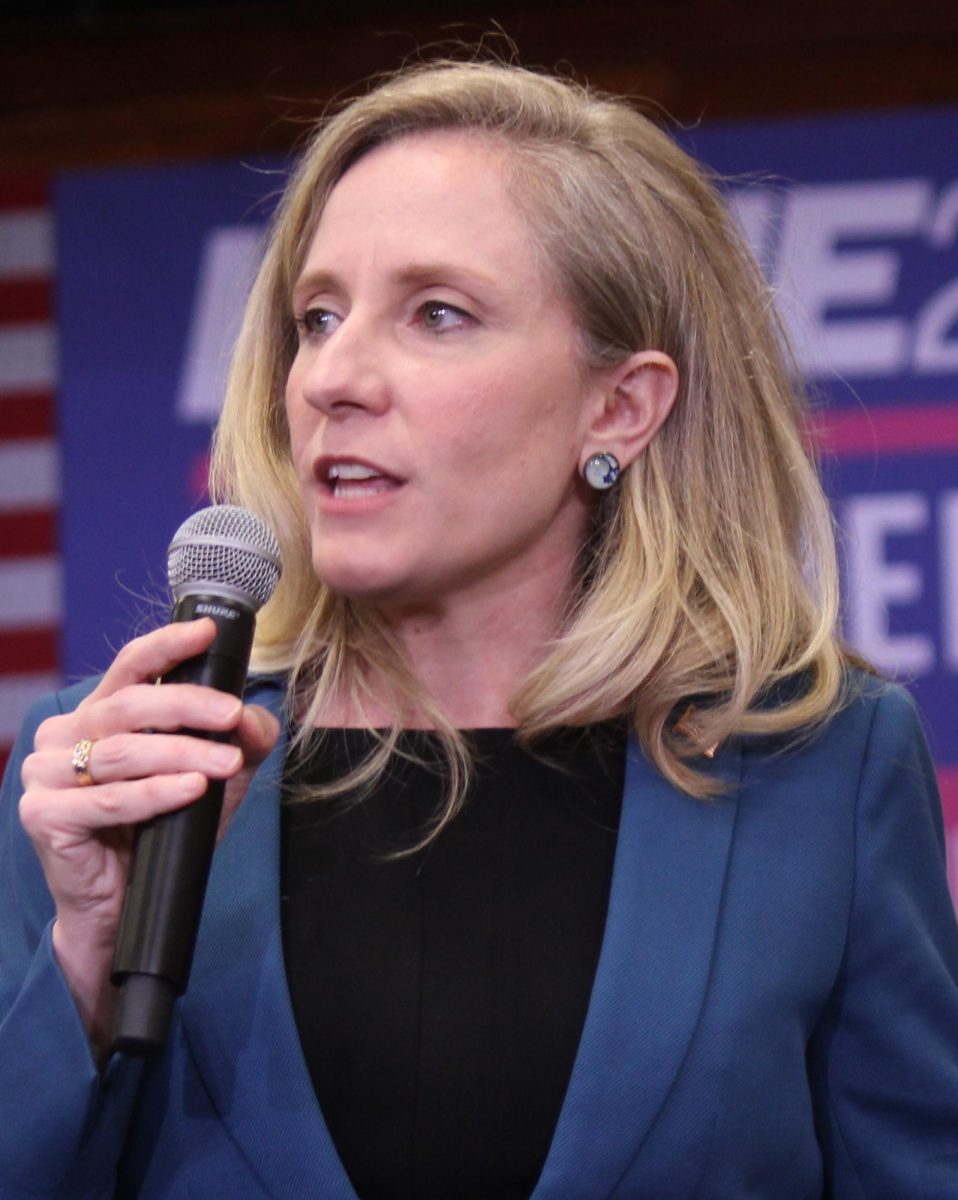
Spanberger at her campaign rally
More to Discover




About the Contributor

Vella Habets, Staff Writer