
| Residents of Mexico’s most violent regions are pleading for United State military intervention against the country’s drug cartels. In the northwestern state of Sinaloa, an area devastated by cartel violence, citizens are desperate enough to consider the possibility of U.S. military strikes, despite prior resistance. National polls from a recent survey suggest nearly 80% of Mexican citizens would oppose such conflict. However, the residents of Sinaloa, the long-term stronghold of the powerful Sinaloa Cartel, are being pushed to question whether outside help may be necessary for survival.
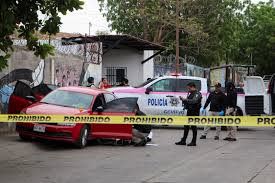
Sinaloa’s situation has worsened dramatically over the past two years. A division within the Sinaloa Cartel has triggered an internal warzone within the state’s capital, Culiacán. Once the life of Mexico’s western region, the city is now a ghost town after dark as residents stay indoors to avoid cartel violence. Businesses have closed, burned vehicles flood the sides of highways and countless families have fled the area. The desperation has reached a breaking point for some locals. “It’s the last option we have,” said 23-year-old Oliver Zamora in an interview with BBC on United States intervention. “We’ve tried everything else, and nothing has worked. What else is there left to do?” The economic damage has been devastating, for Sinaloa has lost nearly 10% of its gross domestic product since the violence escalated. Chief executive of the major retail chain Coppen, Agustin Coppel, said the company has seen a steep decline in success. “People don’t go out at night. Almost everything is closed and hardly anyone is on the streets.” Hotel, restaurant and tourism industries have been particularly gutted, with some sectors reporting profit drops of around 50%, and thousands of businesses shutting down as a result. The crisis has been further fueled by the recent death of Nemesio Oseguera Cervantes, or “El Mencho,” the leader of the rival Jalisco New Generation Cartel (CJNG). Cervantes’ capture led to intense retaliatory attacks across nearly 20 states. Criminals burned houses, vehicles, businesses and forced residents to stay indoors. Chaos has unfolded in other regions like Puerto Vallarta and Guadalajara, where American travelers rushed for shelter amid gunfire rumors. Meanwhile, the United States has increased military pressure on Mexican borders to combat drug trafficking organizations transporting fentanyl into American cities. United States President Donald Trump has suggested military intervention on Mexican soil, despite being sharply rejected by Mexican President Claudia Sheinbaum. “It’s good that President Trump publicly says that when he proposed sending the U.S. military into Mexico, we said not,” Sheinbaum states during a press conference. She has since emphasized that Mexico will be continuing its security operations in the hands of its own forces. Despite government deployment of over 12,000 soldiers to Sinaloa, violence continues to rampage through everyday life. Families continuously search fields and alleyways for missing relatives, with over 18,000 people disappearing in the state in the last 20 years. Mexican residents remain conflicted about the idea of American intervention. Maria Isabel Cruz Bernal, leader of a group of mothers searching for missing children in Sinaloa, had spoken out on the risks and rewards of foreign military aid. “Yes, Trump’s idea is half crazy, because how are you going to come into another country to try to impose order?” she said. On the other hand, “But I think citizens here ask for it because we have no peace, we have no control.” A primary concern of Mexican citizens is that outside involvement could worsen the situation by fueling tensions between cartel violence and government forces. The debate over how to confront cartel violence in Mexico is becoming far more urgent, and is intensifying by the day. For Sinaloa residents, the priority is restoring the safety of their communities, allowing citizens to live freely once again. After two years of bankruptcy, businesses closing, and disappearances of loved ones, the government’s ability to control the cartels is dwindling. Sinaloans believe United States intervention could bring stability and enforcement to the desperate region, while others fear it would only worsen the situation, placing more innocent people in danger. Citizens in the center of violence are searching for answers, still hoping for a solution to the tragedy that will allow them to return to normal life without violence. |