
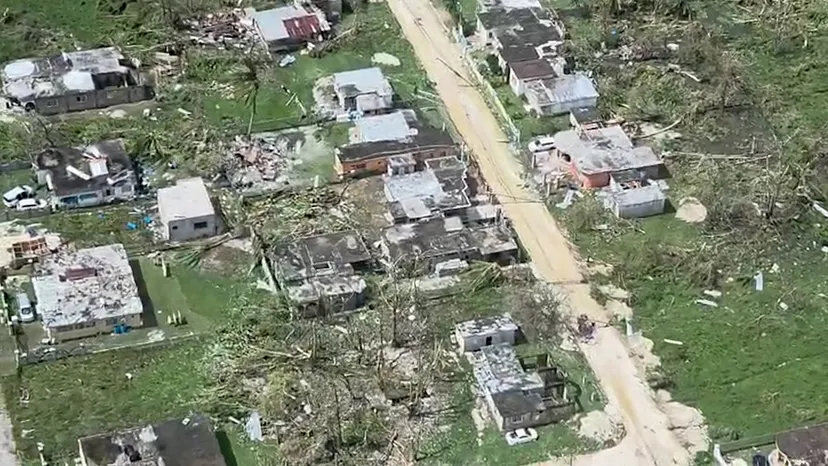
October 28, 2025, Jamaica was rocked by Hurricane Melissa, one of the most deadly hurricanes to hit the Caribbean in recent years. Hurricane Melissa was one of the largest hurricanes ever recorded, with winds reaching up to 185 miles per hour, causing mass devastation across the Caribbean, leaving Jamaica most heavily affected. In the wake of the hurricane, Jamaicans are left with little hope after countless homes have been destroyed, millions have been left without electricity, and the Jamaican economy has been left in shambles.
Though Hurricane Melissa has dissipated as of November 4, it has left irreversible damage to Jamaica and the surrounding Caribbean. Jamaica alone has a confirmed death toll of 32, with many more people reported missing. Along with the toll of people found dead, missing, or displaced, the damages caused by the hurricane have amassed almost $8 billion, which is almost half of Jamaica’s gross domestic product (size of their economy). This amount of damage, along with key infrastructure being destroyed, has left Jamaica’s economy in disarray, which will take years to rebuild. Aside from economic destruction, many citizens’ lives have seen drastic changes from the hurricane’s damage. For example, almost 80 percent of roofs in Western Jamaica have been demolished, leaving many without homes or electricity. Without homes or much of any infrastructure left on the Western Bank, most locals are left in search of basic needs such as food, clean water, and basic aid.
This is not the first natural disaster of this magnitude to have taken place in Jamaica. The most notable example of which being Hurricane Gilbert in September of 1988. Gilbert was classified as a Category 4 hurricane and reached winds of up to 130 miles per hour. Gilbert is now considered the second worst hurricane to ever hit the island, after 2025’s Hurricane Melissa.
So why do these hurricanes continue to devastate the island? There are numerous reasons why the island is especially prone to hurricanes, including its tropical climate and the mountainous terrain that covers the island. The combination of these two factors means increased chances of mudslides, flooding, and strengthened winds, meaning hurricane damage is guaranteed to be worse than on neighboring islands. Along with the mountainous landscape, many of the island’s villages and homes are built along river banks, making them highly susceptible to flooding. Combining all these factors with Jamaica’s tropical climate creates an island extremely prone to deadly hurricanes.
While Jamaica has been ravaged by this hurricane, there are many people and organizations working to help rebuild the island and its economy while also planning to help avoid future hurricanes. Some of these organizations include Bob and Rita Marley Foundation, which is sending over 200,000 pre-prepared meals and 16,000 jugs of clean water to the island to help out those affected by the hurricane. The Bob and Rita Marley Foundation has also started a relief fund with a goal to raise over 250,000. Already, they have managed to raise over 125,000 dollars and counting. Other organizations aiding Jamaica in rebuilding include AFJ (American Friends of Jamaica), which has raised over $2.7 million through its relief fund, and the American Red Cross, which has deployed aid groups into Jamaica and sent over supplies, including shelter kits and cleaning supplies. If you are interested in helping aid Jamaica after the hurricane, try donating cash directly through websites such as GiveDirectly or donating to companies such as Good360 to ship supplies to Jamaica. If you are unable to donate cash, try reaching out to organizations in your community for ways to help out or spread awareness by posting on social media.